

Running apps are no longer just digital stopwatches — they’ve become training partners, social networks, and motivation engines. Two of the biggest names in this space are Strava and MapMyRun.
Both track your runs, both work on iOS and Android, and both offer free and paid versions. But they’re built around very different philosophies. Let’s break it down clearly.
Strava vs MapMyRun: Overall App Comparison
| Category | Strava | MapMyRun |
|---|---|---|
| Primary Focus | Social fitness tracking and performance comparison | Structured training, route planning, and guided improvement |
| Best For | Runners motivated by community, visibility, and competition | Runners who prefer structure, coaching, and privacy |
| Core Activities | Running, cycling, triathlon, multisport | Running-focused, plus walking and other activities |
| GPS Tracking | Yes | Yes |
| Performance Analytics | Strong emphasis on trends, comparisons, and long-term progress | Clear, beginner-friendly stats with less emphasis on comparison |
| AI / Smart Features | AI-powered insights, performance summaries, smart route suggestions | Smart route generation, adaptive training plans, audio coaching |
| Route Planning | Community-based route discovery and heatmaps | Advanced manual and automatic route planning |
| Social Features | Very strong: feed, kudos, comments, clubs, challenges | Limited: optional social interaction, not core to the app |
| Training Plans | Basic plans with analytics support (paid) | Detailed, goal-oriented training plans (paid) |
| In-Run Guidance | Live segment alerts and performance prompts | Real-time audio cues for pace and effort |
| Free Version | Very usable, but advanced analytics are locked | Very usable, but coaching features are locked |
| Paid Version Focus | Deep analytics, trends, and performance insights | Structured training, coaching, and guided progression |
| Learning Curve | Moderate — more data-heavy | Easier for beginners |
| Overall Feel | Competitive, social, motivating | Calm, practical, coach-like |
What Is Strava?
Strava positions itself as a social fitness network. While it supports dozens of activities, it’s especially popular among runners and cyclists who enjoy sharing workouts, comparing performance, and staying motivated through community interaction.
Key idea: your runs are content — for you and for others.
What Strava Does Best
- Social feed with likes (“kudos”) and comments
- Segments and leaderboards for friendly competition
- Clubs and challenges for long-term motivation
- Strong integrations with GPS watches and sensors
Strava feels a bit like Instagram meets performance analytics — public, motivating, and slightly addictive.
What Is MapMyRun?
MapMyRun, developed by Under Armour, is more of a traditional training and tracking app. Its focus is on planning runs, following structured workouts, and logging progress with less social pressure.
Key idea: your runs are data for improvement, not performance for an audience.

What MapMyRun Does Best
- Advanced route planning before you run
- Audio coaching and pace feedback
- Training plans for beginners and goal-oriented runners
- Tracking for many activity types beyond running
MapMyRun feels calmer and more utilitarian — ideal if you want guidance without a social spotlight.
Two Different Philosophies of Running
Strava is built around the idea that running is better when it’s shared. Every activity can become part of a public or semi-public feed, open to likes, comments, and comparison. Your run doesn’t just live on your phone — it lives in a network of other runners, cyclists, and athletes.
MapMyRun, on the other hand, treats running as a private, structured habit. The app is less interested in what others are doing and more focused on where you’re running, how you’re progressing, and how to guide you toward a specific goal. It feels closer to a digital coach than a social platform.
This philosophical difference shapes everything else.
Strava vs MapMyRun: Pricing Comparison
When comparing subscriptions, both apps follow a freemium model — tracking and logging runs are free, but advanced tools come with a paid plan. For Strava, individual premium membership costs about $11.99 per month or $79.99 per year if billed annually in the United States. There are also options like family plans (~$139.99/year) and joint plans with partners such as Runna (~$149.99/year). Premium unlocks deeper analytics, trend insights, and advanced route and training tools.
For MapMyRun, the MVP premium subscription typically costs around $5.99 per month or $29.99 per year when paid annually — a lower price point than Strava’s. MVP gives you adaptive training plans, performance analytics, audio coaching, and live tracking features that go beyond the free GPS tracking and basic stats.
| App | Free Plan | Monthly Cost (Paid) | Annual Cost (Paid) |
|---|---|---|---|
| Strava | Yes | ~$11.99 / month | ~$79.99 / year |
| MapMyRun | Yes | ~$5.99 / month | ~$29.99 / year |
Real User Reviews & Ratings: What Runners Actually Say
Looking beyond features and pricing, real user feedback gives a clearer picture of how Strava and MapMyRun perform in everyday use — and why different runners gravitate toward each.
Strava consistently receives very strong ratings, especially on iOS. On the Apple App Store, it holds an average rating of 4.8 out of 5, based on 350,000+ reviews, while on Google Play it averages around 4.2 out of 5 from 1+ million reviews. Users frequently praise Strava for motivation and community. Many describe it as “social media for runners,” highlighting how seeing friends’ activities, weekly mileage, and challenges helps them stay consistent. At the same time, a recurring criticism is that the interface can feel cluttered or confusing, especially as new features are added, and some runners feel overwhelmed by constant comparisons or data-heavy views.
MapMyRun’s ratings are equally strong — and more consistent across platforms. On the App Store, it averages 4.8 out of 5 from 700,000+ reviews, and on Google Play, it also sits at approximately 4.8 out of 5 with around 450,000 reviews. User feedback often emphasizes reliability and clarity. Runners describe MapMyRun as accurate for pacing and distance, easy to use over many years, and particularly helpful for structured training or race preparation. Negative feedback tends to focus on smaller issues, such as occasional syncing delays with wearables or ads in the free version, rather than core tracking problems.
Overall, reviews reinforce the philosophical difference between the two apps. Strava users value motivation through visibility, competition, and community — even if that sometimes comes with noise or pressure. MapMyRun users value stability, guidance, and a calmer experience, with fewer distractions and clearer training support. Both apps are well-reviewed and trusted; the better choice depends less on quality and more on how you want running to feel day to day.
Strava vs MapMyRun: Performance Analysis
Both apps provide reliable GPS tracking and core performance stats, but they present and use that data differently.
Strava emphasizes performance trends and comparison. Over time, it builds a detailed picture of how fast you run specific routes, how your pace changes, and how you stack up against your past self — or against others. The famous “segments” feature breaks routes into competitive sections, turning ordinary streets or park paths into informal race zones. Even if you’re not actively competing, the app constantly nudges you to notice improvement, decline, or consistency.
MapMyRun focuses less on comparison and more on clarity. Its stats are easier to digest, especially for newer runners. The app places strong emphasis on planned workouts, pace guidance, and consistency rather than competition. During runs, audio cues help you stay on target without needing to check your phone, which is especially helpful for beginners or runners training for a specific distance or pace goal.
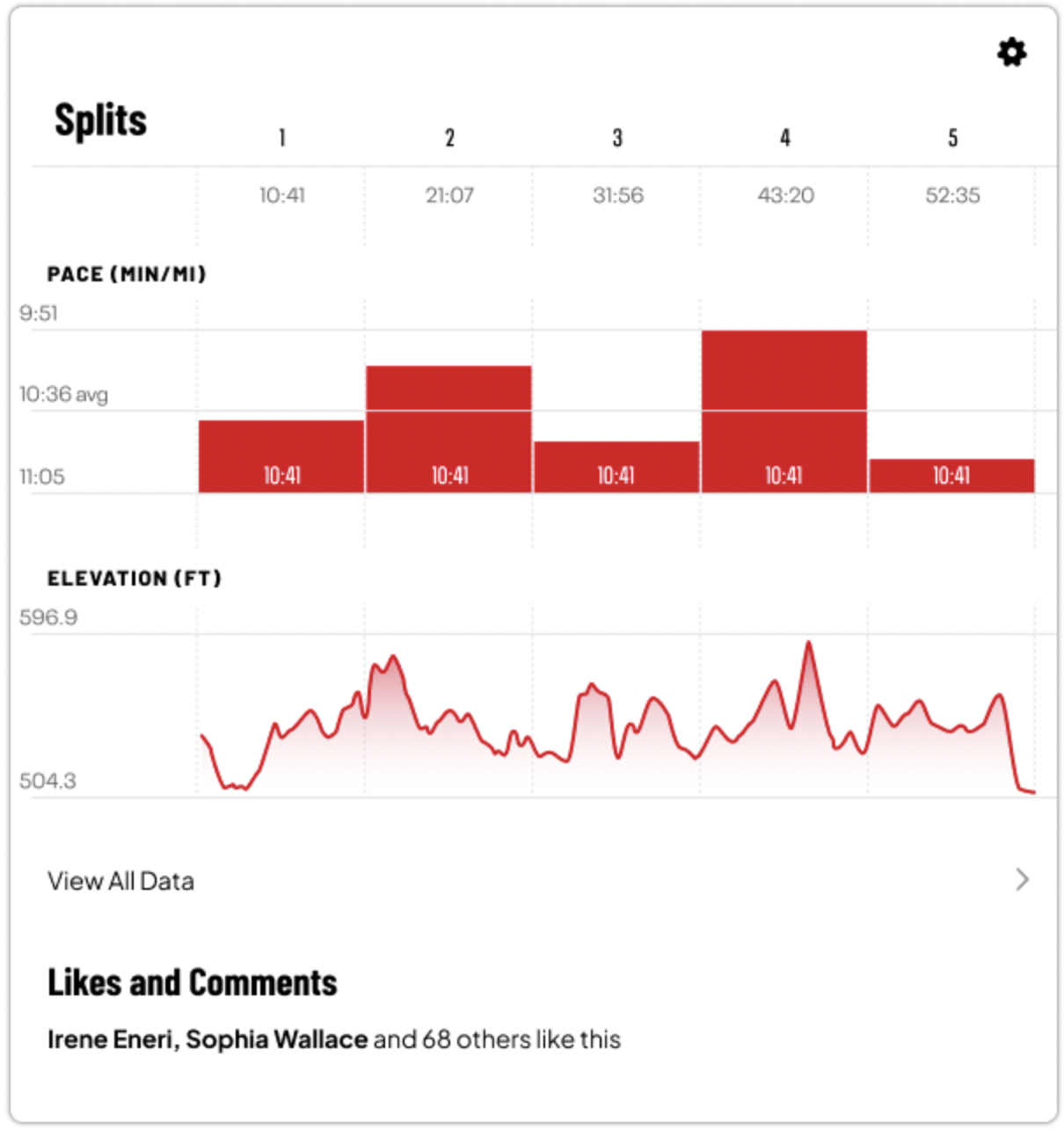
In short, Strava asks, “How did this compare?”
MapMyRun asks, “Did this match the plan?”
Routes, Maps, and Planning
Strava excels at route discovery. Because it aggregates massive amounts of user activity, it’s excellent at showing popular running paths, safe loops, and scenic routes in new cities. If you travel often or enjoy exploring new neighborhoods, this community-driven map data is incredibly useful.
MapMyRun shines when you want control. Its route planner allows you to design runs in advance, preview distances, and adjust paths before ever stepping outside. This is especially valuable for race training, rehabilitation, or runners who prefer predictability over exploration.
Think of Strava as crowdsourced inspiration and MapMyRun as intentional planning.
Strava and MapMyRun: Social Energy vs Internal Discipline
Motivation is where the gap becomes impossible to ignore.
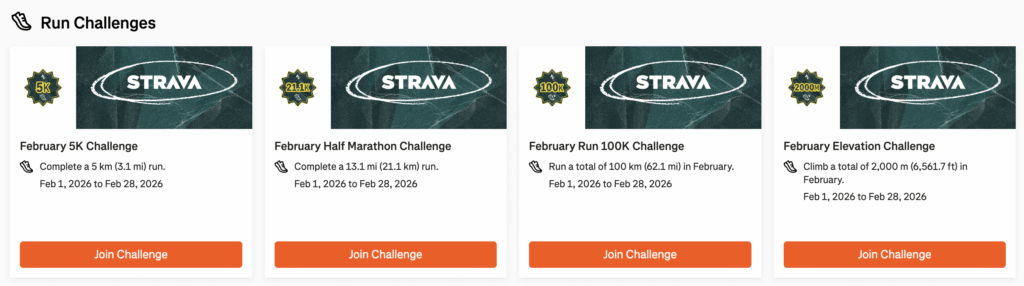
Strava thrives on external motivation. Seeing friends train, receiving kudos, joining monthly challenges, or chasing a leaderboard position can be incredibly energizing. For many runners, this turns consistency into a game and accountability into something social. At the same time, that visibility can feel overwhelming for people who prefer to run without judgment or pressure.
MapMyRun offers a quieter experience. You’re encouraged by goals, streaks, and progress rather than public feedback. The app feels less performative and more forgiving, which makes it easier to stick with running during slower weeks or recovery periods. If running is stress relief rather than competition, this approach often feels healthier.
Neither style is better — they simply work for different personalities.
AI & Smart Features: Strava vs MapMyRun
Strava uses AI mainly to analyze and interpret performance. Its most advanced tools focus on turning raw run data into insights. AI-powered route suggestions use community heatmaps and your past behavior to recommend popular or efficient routes. Premium users also get automated performance summaries that explain trends in pace, effort, and consistency over time. In short, Strava’s AI helps you understand why your running is changing and how you compare — to yourself and to others.
MapMyRun applies smart logic more toward guidance and planning than analysis. Its route-generation tools can automatically build runs based on distance and location, and its training plans adapt workouts around your goals. During runs, audio coaching provides real-time pacing and effort feedback. While these features aren’t heavily branded as AI, they function like a lightweight digital coach that tells you what to do next rather than asking you to interpret data.
Free vs Paid Experience
Both Strava and MapMyRun offer genuinely usable free versions. You can track runs with GPS, view routes, monitor pace and distance, and keep a running history without paying. For casual runners, the free tiers are more than enough.
The differences appear once you want more than basic tracking.
Strava’s free version focuses on logging and social interaction. You can see your stats, share runs, join clubs, and stay motivated by community, but deeper insights are limited. Advanced analytics, training trends, and performance breakdowns are part of the paid plan. Free Strava answers what happened; paid Strava explains how your fitness is changing.
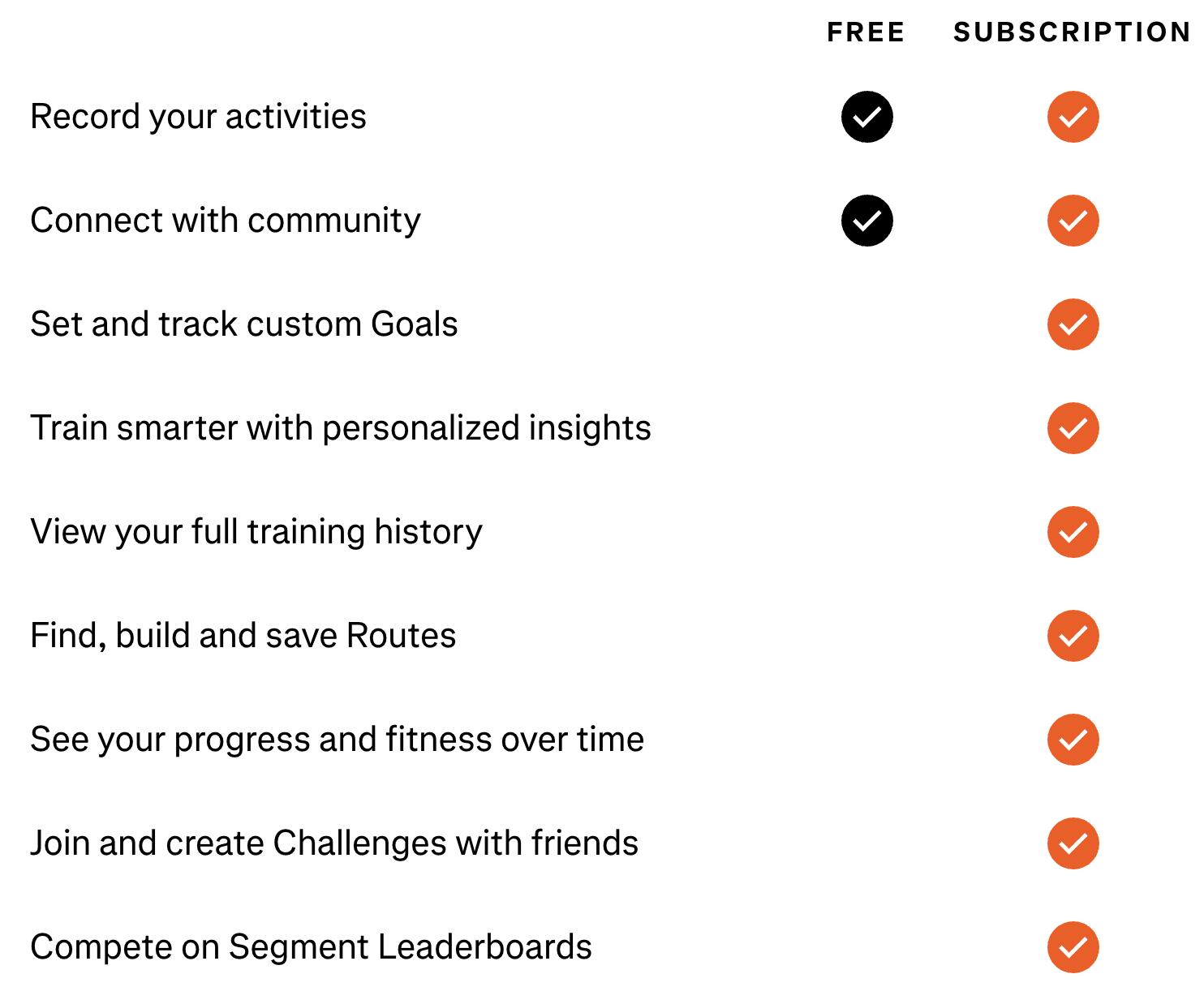
MapMyRun’s free tier feels more practical from the start. It handles tracking well, but premium features are clearly aimed at guidance rather than analysis. Paid users unlock structured training plans, richer audio coaching, and more detailed workout feedback. Instead of asking you to interpret data, MapMyRun actively guides your training.
Neither app forces an upgrade, but long-term runners usually gravitate toward a subscription that matches their mindset. Those who enjoy analyzing progress tend to prefer Strava’s premium tools, while runners who want structure and direction often find MapMyRun’s paid experience more useful.
Which App Actually Fits You?
Choosing between Strava and MapMyRun comes down less to features and more to how you experience motivation.
Strava tends to work best for runners who are energized by visibility and shared progress. If seeing other people’s workouts pushes you to lace up your shoes, Strava’s social feed can be a powerful trigger. The app turns running into a shared language: runs become posts, improvement becomes visible, and consistency often feels rewarded through community feedback. Challenges, clubs, and segment comparisons give structure to improvement without explicitly telling you what to do next. For competitive personalities or runners who thrive on momentum and recognition, Strava often feels exciting rather than demanding.
That same openness, however, can feel exhausting for some runners. When every run is potentially visible, slower weeks or recovery periods may feel discouraging instead of restorative.
MapMyRun appeals to a very different mindset. It’s better suited to runners who see training as a personal routine rather than a social activity. The app creates a quieter environment where progress is measured against goals, not other people. If you’re rebuilding a running habit, training for a specific distance, or returning after time off, MapMyRun’s structure can feel reassuring. Audio guidance, planned workouts, and clear pacing support consistency without judgment.
For runners who value privacy, predictability, and calm focus, MapMyRun often feels more sustainable in the long run. It doesn’t try to turn running into a performance — it treats it as a process.
Ultimately, Strava fits runners who draw energy from community and comparison, while MapMyRun fits runners who grow through guidance and routine. Many runners experiment with both before one clearly clicks — and when it does, it usually aligns perfectly with how they want running to feel, not just how they want to track it.
Leave a Reply