
Tiimo vs Structured is a comparison that comes up a lot among people who want a clearer, calmer way to plan their days. On the surface, both apps look similar: they use timelines, focus on daily planning, and move beyond classic to-do lists. But in practice, they are built for very different needs and very different relationships with time.
Tiimo vs Structured — Full Comparison Table
| Category | Tiimo | Structured |
|---|---|---|
| Core purpose | Visual time management and routine support | Simple daily planning and time blocking |
| Primary audience | Neurodivergent users, ADHD, autism, people who struggle with time | General users, students, professionals |
| Planning style | Visual timeline with flexible blocks | Clean, chronological daily timeline |
| Design style | Colorful, soft, icon-based, supportive | Minimal, neutral, Apple-style |
| Emotional tone | Warm, encouraging, forgiving | Calm, neutral, tool-like |
| Routines | Advanced reusable routines | Limited routine support |
| Flexibility | High — easy to move and resize tasks | Moderate — more fixed structure |
| Reminders | Gentle nudges and notifications | Basic reminders |
| Time awareness support | Strong (designed to reduce time blindness) | Moderate |
| ADHD support | Built specifically for ADHD needs | Not ADHD-specific |
| Platforms | iOS, Android, Web | iOS, macOS (Android available) |
| Pricing model | Subscription-based | Free + one-time Pro upgrade |
| App Store rating (iOS) | ~4.6 / 5 | ~4.8 / 5 |
| Number of iOS reviews | 13,000+ | 150,000+ |
| Common criticism | Learning curve, subscription price | Too basic for complex needs |
| Best for | Users who need guidance and structure | Users who want clarity and speed |
Tiimo and Structured don’t compete on “who has more features.” They compete on philosophy.
Tiimo is about helping you understand time and move through your day with less stress. Structured is about organizing tasks efficiently and keeping your day clean and predictable.
What Is Tiimo?
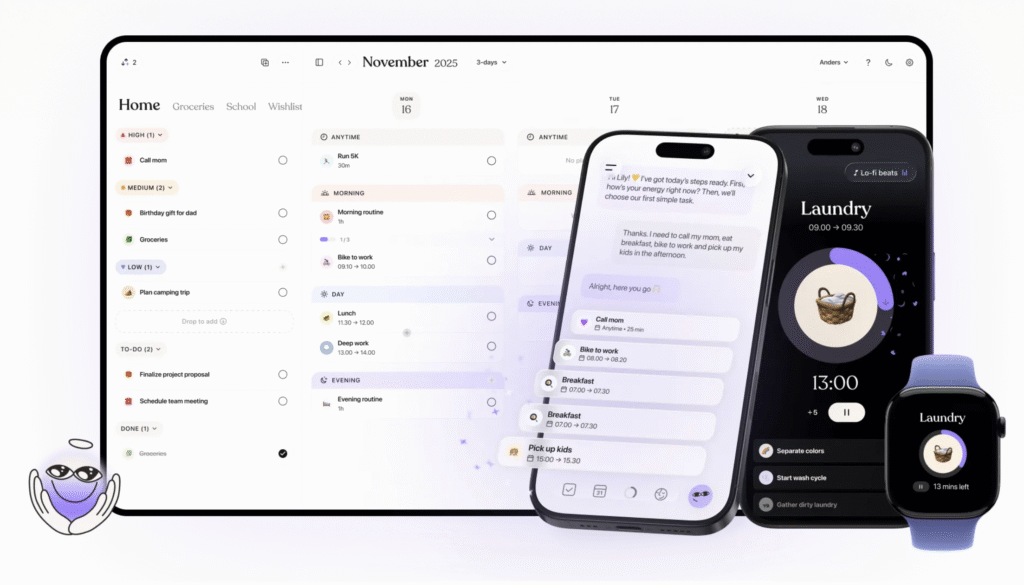
Tiimo was originally created with neurodivergent users in mind, especially people with ADHD or autism. The core idea behind Tiimo is that time is abstract and hard to feel, so the app turns time into something visual and concrete. Instead of just listing tasks, Tiimo shows your day as blocks of time that flow one into another.
What makes Tiimo different is how supportive it feels. Tasks aren’t just scheduled; they are guided. The app gently reminds you what’s coming next, helps you transition between activities, and doesn’t punish you if your plan changes. If something takes longer than expected, you can stretch the timeline without feeling like you “failed.”
Routines are one of Tiimo’s strongest points. Morning routines, evening routines, workdays, weekends — all of these can be set up and reused. Over time, this helps reduce decision fatigue. You don’t have to rethink your day every morning; the structure is already there.
Tiimo also pays attention to emotional friction. Notifications are friendly, not aggressive. Visuals are soft and colorful, not rigid. For many users, this makes planning feel safer and less overwhelming.
That said, Tiimo can feel like a lot if you don’t actually need that level of support. There is more setup in the beginning, and the app works best when you commit to using it regularly. It also uses a subscription model, which some users dislike, especially if they only want basic planning.
Key strengths of Tiimo:
- Visual timelines that make time feel tangible
- Strong support for routines (morning, evening, workdays)
- Flexible scheduling with no punishment for changes
- Friendly reminders and nudges instead of aggressive alarms
What is Structured?
Structured takes almost the opposite approach.
Structured is designed to be fast, minimal, and quiet. When you open the app, you see today. You add tasks, assign times, and your day becomes a clean vertical timeline. There’s very little onboarding and almost no emotional framing. The app doesn’t try to motivate you — it just organizes information.
This makes Structured ideal for people who already know what they need to do. If your main challenge is keeping meetings, tasks, and personal plans in order, Structured works extremely well. It’s especially popular with students, professionals, and anyone who uses time blocking.
The design is very Apple-like: neutral colors, clean typography, no distractions. For some users, this is exactly what they want. Planning feels neutral and efficient, not emotional.
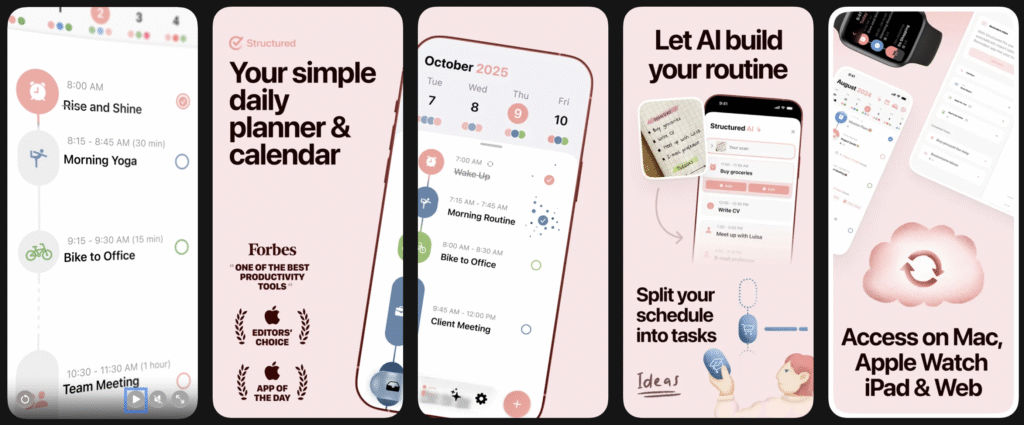
However, Structured doesn’t offer much help with routines or behavioral challenges. It assumes that you can start tasks on your own and that time already makes sense to you. For users who struggle with procrastination, task initiation, or time blindness, this can be limiting.
Structured offers a free version and an optional one-time Pro upgrade, which is appealing if you want to avoid subscriptions.
Key strengths of Structured:
- Clean, distraction-free interface
- Fast daily planning with minimal setup
- Ideal for time blocking and busy schedules
- Works beautifully across Apple devices
Structured vs Tiimo: Ratings Comparison
When comparing Tiimo and Structured by user ratings and review counts, both apps are highly rated but differ in scale. On the Apple App Store, Tiimo has an average rating of 4.6 out of 5 stars from about 13 000+ reviews, showing strong satisfaction among users who appreciate its visual planning and support for routines. In contrast, Structured scores around 4.8 out of 5 stars with roughly 152 000+ ratings, indicating even broader popularity and consistently positive feedback from users organizing busy days with its clean timeline interface. On Google Play, Structured has over 23 000 reviews, reflecting solid Android usage and positive user engagement, while Tiimo’s Android presence isn’t currently highlighted with a visible review count on the Play Store. Overall, Structured tends to have more total reviews and slightly higher average ratings, suggesting wide adoption, while Tiimo maintains very positive ratings in a smaller but highly engaged user community.
Tiimo vs Structured: Pricing Comparison
When comparing pricing, Tiimo and Structured follow very different models. Tiimo is built around a subscription, with most advanced features locked behind a paid plan, which reflects its focus on continuous support, routines, and ADHD-friendly functionality. Structured, in contrast, offers a generous free version and flexible upgrade options, including a one-time lifetime purchase, making it more appealing for users who want predictable or lower long-term costs. In short, Tiimo costs more over time but delivers deeper behavioral support, while Structured is generally more budget-friendly and flexible.
| Pricing aspect | Tiimo | Structured |
|---|---|---|
| Free version | Yes (limited features) | Yes (usable core features) |
| Free trial | Yes (usually ~7 days for Pro) | Yes (short Pro trial) |
| Monthly plan | ~$10–12 / month | ~$2.99–6.49 / month |
| Yearly plan | ~$48–54 / year | ~$9.99–19.99 / year |
| Lifetime purchase | No | Yes (one-time ~$30–65) |
| Pricing model | Subscription-focused | Flexible (free + sub or lifetime) |
| Best for | Users needing ongoing support & routines | Users who want low or one-time cost |
If you’re comfortable with a subscription in exchange for strong visual and ADHD-focused planning, Tiimo makes sense. If you prefer a cheaper upgrade or a one-time payment with a clean daily planner, Structured is usually the better financial choice.
Free vs Paid Features
| Feature | Tiimo (Free) | Structured (Free) |
|---|---|---|
| Daily planning | ✔️ Basic planning & timeline | ✔️ Full timeline planning |
| Task creation | ✔️ Yes | ✔️ Yes |
| Reminders | ❌ Limited or tied to Pro features | ✔️ Basic reminders |
| Routines | ❌ Limited | ❌ Limited |
| Widgets | ❌ Limited | ❌ Some basic |
| Cross-device sync | ❌ Only on same device | ❌ Limited sync |
| Calendar import | ❌ | ❌ |
| Repeating tasks | ❌ | ❌ or very limited |
| Icons & personalization | ✔️ Limited icon palette | ✔️ Basic icons / styles |
| Core view & navigation | ✔️ Yes | ✔️ Yes |
AI Features Comparison: Tiimo vs Structured
When comparing the AI capabilities of Tiimo and Structured, it’s important to understand that AI plays very different roles in each product. Tiimo uses AI in a supportive and assistive way, focused on helping users plan realistically and reduce overwhelm. Structured uses AI in a more functional and lightweight way, aimed at speeding up planning rather than guiding behavior.
Tiimo’s AI is designed to help users break tasks down, estimate time, and gently shape routines. It supports users who struggle with task initiation or time blindness by suggesting durations and helping organize activities into a visual, manageable flow. The AI works quietly in the background and is closely tied to Tiimo’s philosophy of flexibility and self-compassion, rather than strict optimization.
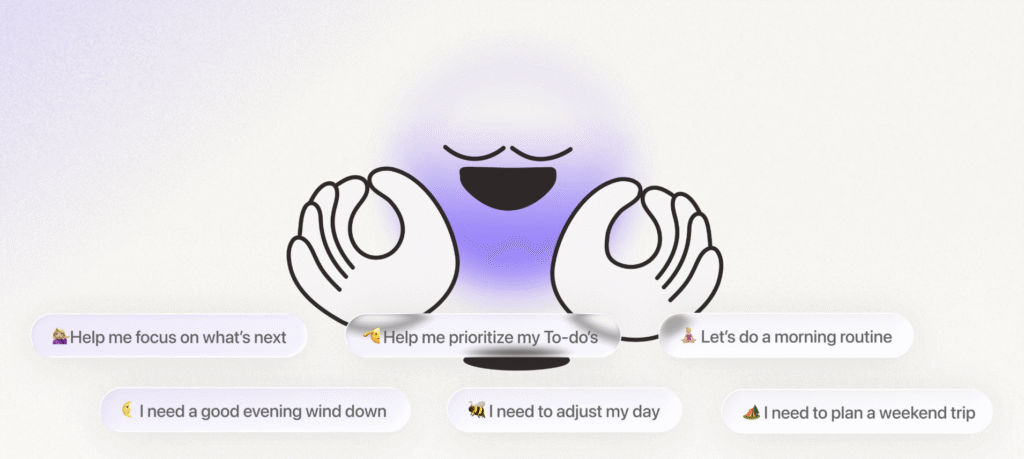
Structured’s AI is more utilitarian. It focuses on quick task creation, simple scheduling assistance, and automating parts of the planning process to save time. The goal is efficiency — helping users get tasks into their timeline faster — rather than offering behavioral or cognitive support. Structured’s AI does not deeply adapt to routines or user challenges; it mainly accelerates setup.
Which Is Better for ADHD: Tiimo vs Structured
When comparing Tiimo and Structured specifically for people with ADHD, the differences go beyond simple features — they come down to how each app supports attention, focus, transitions, and overwhelm.
Tiimo — Built With ADHD in Mind
Tiimo was created with neurodivergent users in mind, especially people with ADHD and autism. That focus shows up in how the app works:
- Visual timelines: Tasks are shown as colored blocks with icons rather than text lists. This makes time feel real, not abstract — which helps with time blindness.
- Gentle reminders: Instead of loud alarms that stress or startle users, Tiimo’s reminders feel like supportive nudges.
- Routine automation: Repeating routines (e.g., morning prep, work blocks, wind-down) help reduce decision fatigue.
- Flexibility: Blocks can be resized or moved easily — no “punishment” for interruptions, delays, or shifts.
- Progress visibility: You can see how much of your day is done, which gives real motivation and reduces anxiety.
Structured — Minimal, Efficient, but Less ADHD-Focused
It’s fantastic if you want a straightforward timeline where tasks appear chronologically, but the app doesn’t have ADHD-focused scaffolding.
Structured is loved for its simplicity, but it assumes the user can:
- Decide when to start
- Follow through without behavioral prompts
- Initiate transitions between tasks independently
There’s less coaching, fewer supportive reminders, and no routine psychology baked in.
Tiimo and Structured: Design Comparison
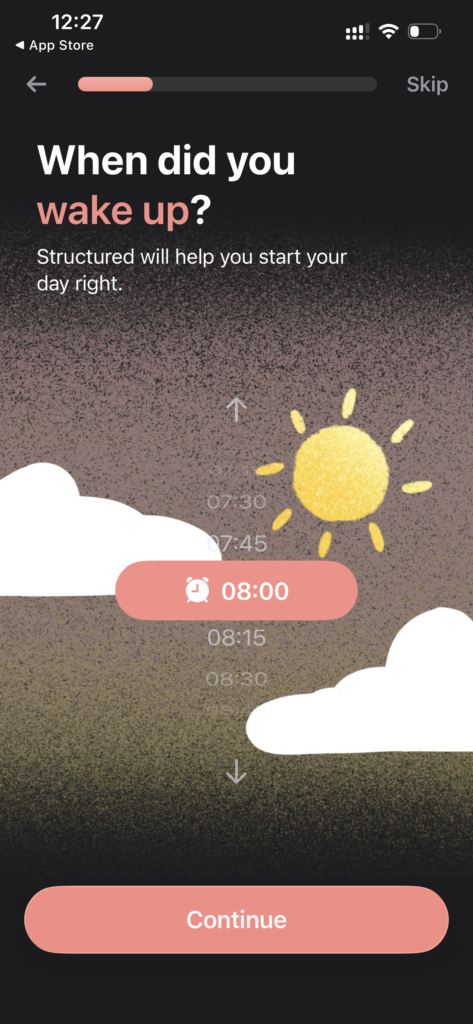
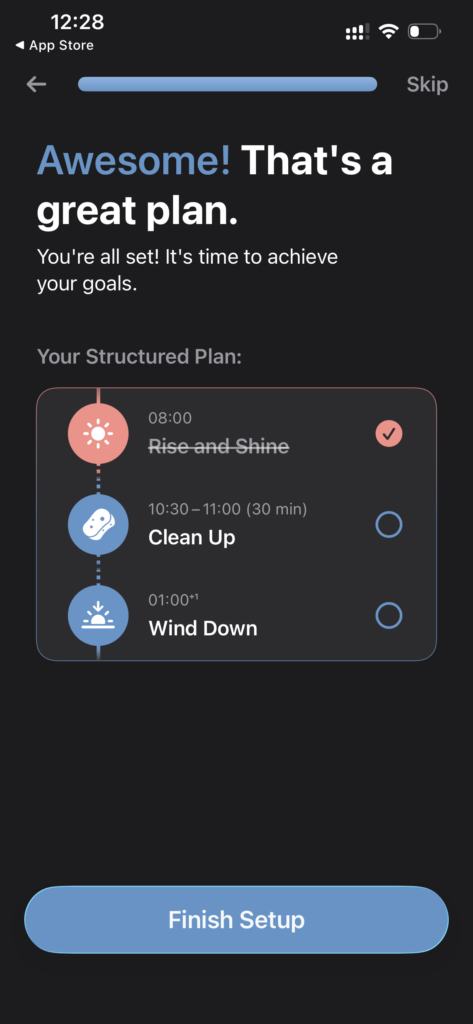
When comparing the design of Tiimo and Structured, the difference goes far beyond aesthetics — it reflects two completely different ways of thinking about planning and attention. Tiimo’s design is intentionally colorful, soft, and expressive. It relies heavily on icons, color-coded time blocks, rounded shapes, and visual flow to help users instantly recognize what they are doing and what comes next. The timeline feels dynamic and almost animated, turning the day into something you can see and feel, not just read. This visual richness is meant to reduce cognitive load, especially for users who struggle with time awareness, transitions, or overwhelm.
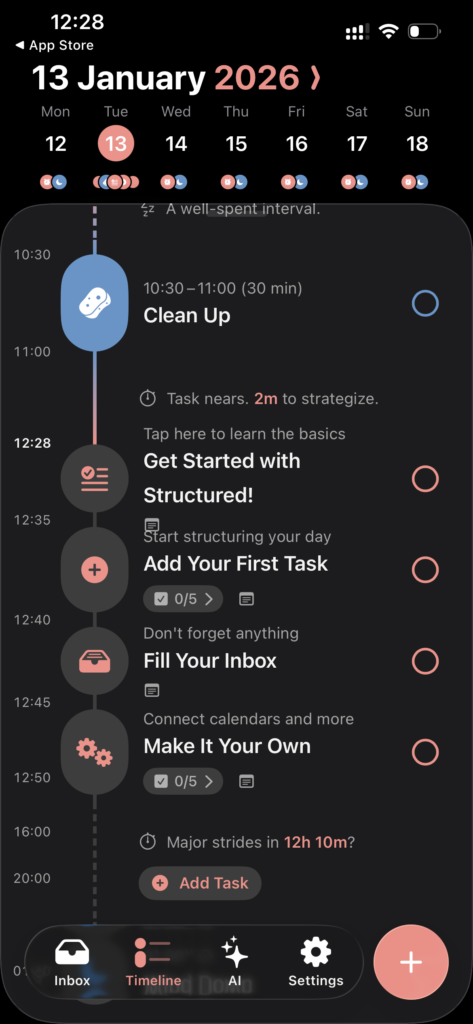
Structured, on the other hand, is built around restraint. Its design is clean, neutral, and highly minimal, with simple typography, muted colors, and very limited iconography. The timeline is clear and orderly, focusing on start times, durations, and task names without extra visual signals. This creates a calm, distraction-free environment where planning feels efficient and controlled. Structured avoids emotional or motivational design cues and instead acts as a quiet container for your schedule.
In practice, Tiimo’s design feels warm, guiding, and supportive — almost like a visual companion that nudges you through the day — while Structured’s design feels precise, calm, and tool-like, ideal for users who already feel comfortable managing time and just want a clean, reliable interface. The choice between them often comes down to whether you benefit more from visual guidance and reassurance or from simplicity and visual silence.
Real User Reviews: What People Like (and Don’t Like)
When you read through real user feedback, both Tiimo and Structured get plenty of praise, but for slightly different reasons. Tiimo users often describe the app as life-changing, saying things like “Tiimo I love you — you’ve pretty much changed my life!! I didn’t think I could be organized… this app def deserves the five stars!” and “I struggle with ADHD and have tried multiple apps… this has been the only one that has actually helped!,” reflecting how the visual timelines and routines make planning feel more manageable and supportive. However, some users also point out limitations — for example, long-time reviewers note frustrations when core features change or don’t work as expected (“I was loving this app… now unless you schedule a specific time everything lumps into ‘anytime’ and it’s messing me up”), showing that updates can sometimes disrupt workflows.
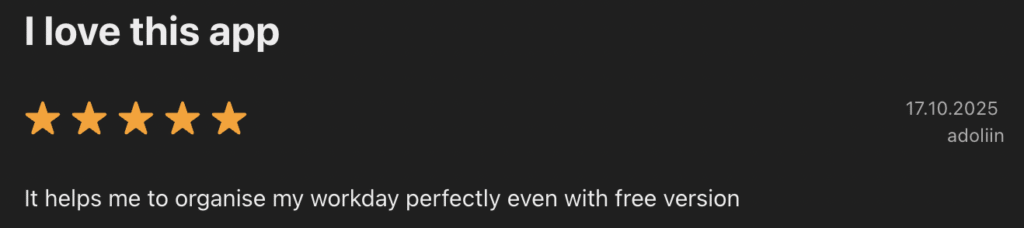
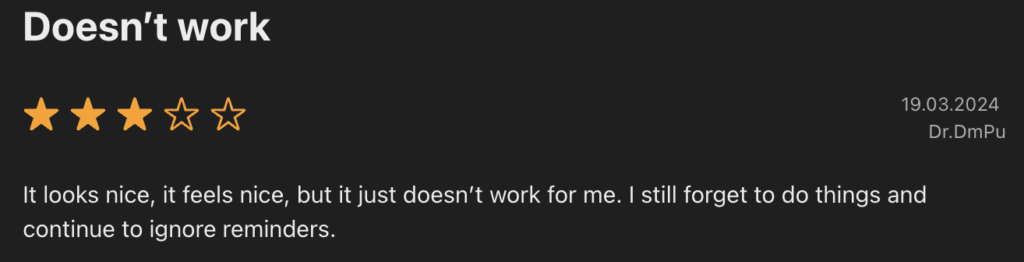
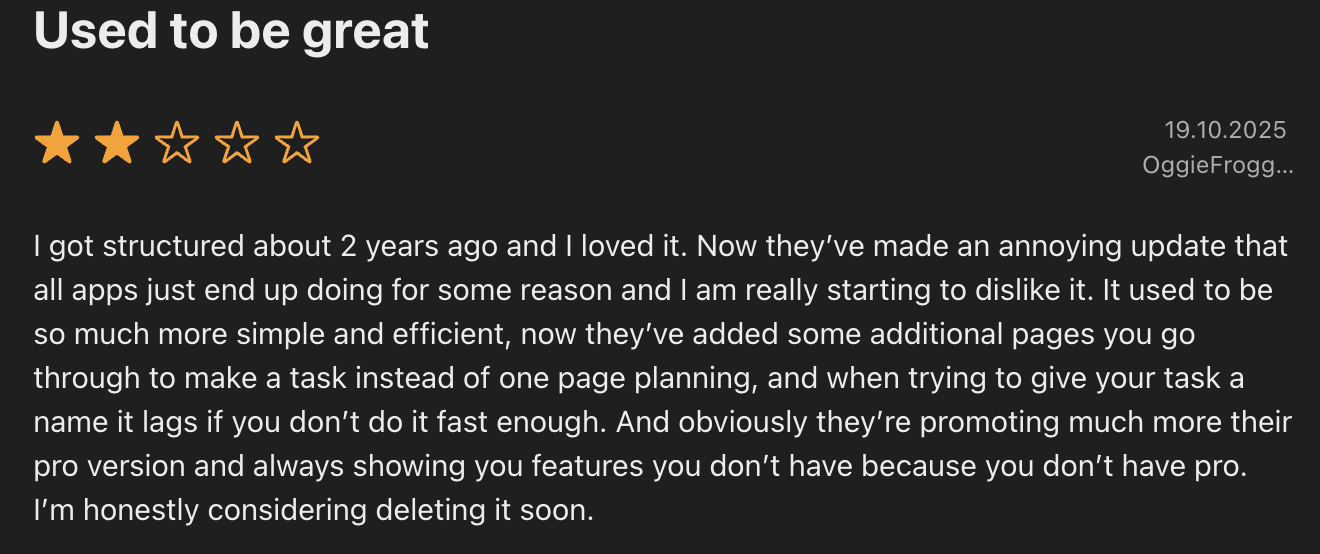
For Structured, App Store reviews include enthusiastic comments like “Trusting Structured with our schedules has done wonders for our mental health” and “It keeps me organized, keeps me on track… I love that a lot,” highlighting the clean design and practicality. At the same time, some users express minor complaints such as wishing for different visuals (“Please consider adding a regular calendar feature… Icons don’t always show what’s actually scheduled”), suggesting that while many love the timeline, others want more traditional calendar views. Overall, users tend to appreciate Tiimo for its supportive, neuro-inclusive approach and Structured for its simplicity and day-to-day organization — with the common negatives largely coming from feature preferences rather than functionality failures.
Which App Should You Choose — Tiimo or Structured?
When deciding between Tiimo and Structured, the best choice really comes down to why you plan your day, how your mind works, and what type of support you need. Both are excellent planners, but they serve different styles of users.
Choose Tiimo If…
You want a planner that feels supportive, visual, and intuitive, especially if:
- You struggle with time blindness, procrastination, or starting tasks
- You benefit from routines and structure
- You like color-coded visuals, icons, and timelines instead of plain text
- You want reminders that feel gentle, not punishing
- You use the app for behavioral support, not just task tracking
- You’re willing to pay a subscription for features like calendar sync, widgets, and advanced reminders
Best fit:
Students managing executive function challenges, users with ADHD or neurodivergent needs, anyone who wants guidance and structure rather than just organization.
Choose Structured If…
You want a planner that’s clean, fast, and distraction-free, especially if:
- You like minimalist design and clear timelines
- You already have good planning habits and just want a better interface
- You want to plan your day quickly and efficiently
- You prefer a flexible pricing model — including a one-time purchase option
- You don’t need heavy routine tools or emotional support features
Best fit:
Busy professionals, students with well-established habits, planners who value speed and simplicity, and users who prefer function over guidance.
Leave a Reply